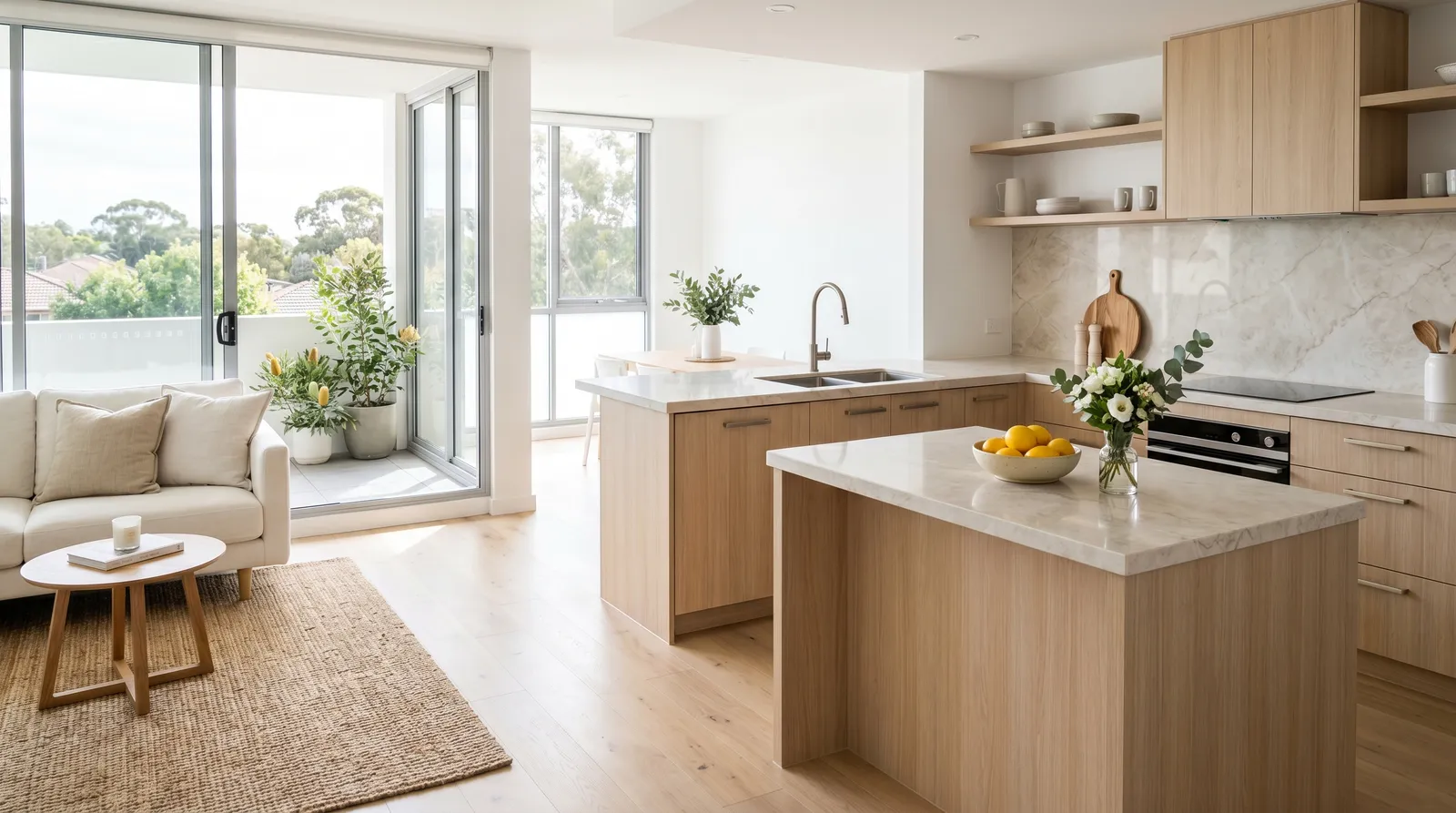
A clear, no-nonsense checklist for getting your Golden Grove home ready to sell — focused on the jobs that actually move the needle, and the ones that don’t.
Preparing your home for sale doesn’t have to be overwhelming or expensive. The aim is simple: present a clean, well-maintained, welcoming home that lets buyers focus on its best features instead of being distracted by clutter, jobs left half-done or that one room nobody quite knows the use of. Get this right and your home photographs better, inspects better and gives buyers the confidence to act.
Think of preparation as a series of small, manageable jobs rather than one huge project. Most can be done over a few weekends with a bit of planning, and the payoff is real: across more than twenty years selling in Golden Grove and Greenwith, Stephen has seen well-prepared homes consistently attract more interest and stronger offers than comparable homes that went to market underdone. Below is a practical, north-east-friendly checklist to work through before you list. Pair it with a property appraisal so you know which jobs actually matter for your home.
Start with a plan and a timeline
Before you pick up a cloth, get a sense of the order of things. Give yourself a few weeks where you can. Book any trades early, because good plumbers, electricians and handypeople are often booked out, and start decluttering straight away since it touches every other job. A rough sequence looks like this:
- Declutter and remove excess furniture and personal items.
- Complete minor repairs and any trade work.
- Deep clean throughout, inside and out.
- Tidy gardens and street appeal.
- Do a final styling pass and stage each room just before photography and the first inspections.
Inside the home
The interior is where buyers spend most of their inspection, so it’s worth the effort. Work room by room so the task feels finite rather than endless.
- Declutter every room, plus wardrobes, cupboards and the garage — buyers open doors, so half-empty storage reads as generous storage.
- Deep clean throughout: floors, windows, skirtings, kitchen, bathrooms and any tired grout or seals.
- Fix the small stuff — dripping taps, sticking doors, cracked tiles, scuffed walls, loose handles and blown light globes.
- Touch up paint where it’s marked, and keep colours neutral if you’re repainting a whole room.
- Make sure every room has a clear purpose so buyers see the home’s full potential rather than a vague spare space.
- Check that lights, fans, the oven, the air conditioner and other fittings all work — buyers notice what doesn’t.
Pay special attention to kitchens and bathrooms, the rooms buyers judge most. You usually don’t need to renovate — re-grouting, re-sealing, replacing a tired shower screen or toilet seat, fixing a leaking tap and a thorough clean can make a wet area feel years younger for a modest outlay.
Outside & street appeal
First impressions start before buyers reach the front door — and increasingly, before they leave their couch. Your home’s exterior is the lead photo on the listing, so it’s doing double duty as both kerb appeal and marketing. In a family-focused area like Golden Grove, gardens and outdoor living are part of the appeal, so it pays to get them right.
- Mow, edge and tidy the lawns and garden beds; weed, mulch and trim overgrown shrubs and trees.
- Pressure-clean paths, driveways, the porch and any decking or paving.
- Clear gutters, tidy the carport or shed, and remove rubbish, bins and clutter from view.
- Make the entrance welcoming — a clean or freshly painted door, a working light and a tidy threshold.
- Refresh the alfresco and backyard so buyers can picture relaxing and entertaining there.
Want a prioritised plan tailored to your home? [Book a free appraisal](/property-appraisal) and Stephen will tell you exactly what’s worth doing.
Book a Free AppraisalPaperwork and the practical side
Presentation gets the attention, but a smooth sale also depends on being organised behind the scenes. Getting your paperwork lined up early means you can move quickly once a buyer is ready, and it spares you a last-minute scramble.
- Gather documents — council rates, any building or pool compliance, and records of recent improvements.
- Speak to a conveyancer early about the contract and vendor statement so you’re ready to sign when the time comes.
- Service or note anything that may come up at inspection, such as heating, cooling and hot water systems.
- Decide on your method of sale and timing with your agent — see the selling guide for how the process works.
What to skip
Resist the urge to over-improve. Full kitchen or bathroom renovations, major landscaping and expensive upgrades rarely return what they cost at sale time — you spend the money and the next owner often changes it anyway. The exception is genuine defects that buyers will mark you down for, such as a leaking roof, faulty wiring or a clearly broken fixture. Your agent can help you draw the line between worthwhile repairs and money you simply won’t get back.
A useful test before any larger job: will this fix a problem a buyer would otherwise hold against me, or am I improving the home for someone else’s taste? Fixing problems is usually worth it. Chasing improvements rarely is. For ideas on the low-cost, high-impact end of presentation, see the home staging tips.
Set the scene for inspections
All your preparation comes together on inspection day, and a little extra effort in the final hour can change how buyers feel about the home. The aim is for it to feel light, fresh and welcoming the moment people walk in. Air the home out beforehand, open blinds and curtains to let the light in, and switch on lamps in any darker corners. Make sure the temperature is comfortable — warm in winter, cool in summer — so buyers want to take their time rather than rush through.
- Open up the home — blinds, curtains and internal doors, with lamps on in darker rooms.
- Deal with smells at the source — air it out, and keep any fragrance subtle rather than overpowering.
- Clear the everyday clutter that creeps back — shoes at the door, dishes, washing and bins.
- Tidy outdoor living spaces so the alfresco and yard look ready to enjoy.
- Where you can, take pets out during the inspection so buyers feel at ease.
Then step outside and let the agent do their job. Buyers are far more relaxed, and far more honest about whether the home suits them, when the owners aren’t hovering. A well-run open inspection is part of how Stephen presents your home to the market — you can read more on the sell with Stephen page and see how past sellers found the experience in the testimonials.
Room-by-room: where to focus your effort
Not every room carries the same weight in a buyer’s mind, so it helps to put your energy where it counts. The kitchen and the main bathroom do more to win or lose a buyer than almost anywhere else, followed by the main living space and the master bedroom. Getting those four right matters more than perfecting a rarely used spare room.
- Kitchen — clear the benches, fix cupboard doors and drawers that don’t sit right, deal with any tired silicone, and make sure the oven and cooktop are spotless.
- Bathrooms — re-grout and re-seal, replace a discoloured shower screen or toilet seat, fix any leak, and add fresh towels and a touch of greenery.
- Living areas — arrange furniture to show space and flow, keep cords and clutter out of sight, and let in as much light as possible.
- Bedrooms — neutral linen, clear surfaces, and wardrobes left half-empty so storage reads as generous.
- Garage, laundry and storage — buyers open these doors too, so tidy and declutter them rather than using them to hide everything else.
If you only have a weekend, spend it on the kitchen, the main bathroom and a thorough declutter. Those three jobs deliver the most visible lift for the least money, which is exactly the principle behind the home staging tips.
Common mistakes to avoid
A few avoidable missteps cost sellers more than they realise. The most common is over-capitalising — pouring money into a full renovation right before selling and never seeing it back in the price. Close behind is leaving genuine defects unaddressed, because buyers tend to assume the worst about anything that looks neglected and adjust their offer down accordingly. Somewhere in the middle is doing half a job: a freshly painted lounge next to a scuffed, tired hallway can draw attention to the very thing you hoped to hide.
- Over-improving — major renovations and bold, personal upgrades rarely return their cost at sale.
- Ignoring real defects — a leak, faulty wiring or a broken fixture worries buyers far more than the repair would cost.
- Patchy presentation — finish what you start so no single tired area undermines the rest.
- Strong personal taste — bold colours, heavy fragrances and very personal décor can narrow your buyer pool.
- Starting before getting advice — a quick walk-through with your agent stops you spending in the wrong places.
The thread running through all of these is the same: present an honest, well-cared-for home and let buyers see its potential, rather than trying to reinvent it. That approach protects your budget and, more often than not, produces a better result. You can see how well-prepared homes perform by browsing recently sold properties.
Get a second opinion before you start
The most valuable step is a walk-through with a local agent before you spend a cent. Every home and every street is different, and what lifts the result on one property can be wasted effort on another. During your appraisal, Stephen will point out the specific jobs worth doing for your home and the ones to leave — so your effort and budget go where they’ll actually lift the result. You can browse recently sold homes to see how well-prepared properties perform, read seller testimonials, and learn how Stephen runs a campaign on the sell with Stephen page. When you’re ready to talk it through, get in touch.
Not sure what’s worth doing before you list? [Book a free appraisal](/property-appraisal) and get a clear, prioritised plan for your home.
Book a Free AppraisalRelated questions
What should I do first to get my house ready to sell?
Start by decluttering and deep cleaning — they cost little and make the biggest visual difference. Then work through minor repairs and street appeal. Before spending on anything bigger, get a local agent’s view on what will actually return value for your home, because the right jobs vary from one property to the next.
Is it worth renovating before selling in Golden Grove?
Usually not a full renovation. Presentation — cleaning, decluttering, minor repairs and gardens — delivers the best return. Major works rarely recoup their cost at sale. Fix genuine defects that buyers would mark you down for, but check with your agent before committing to large upgrades.
How long does it take to prepare a home for sale?
For most homes, a few weeks is enough to declutter, complete minor repairs, deep clean and tidy the gardens. Book any trades early, as they can be in demand. If larger work is involved, allow more time — and speak to Stephen first so you only take on jobs that are genuinely worth doing.
Do I need to fix everything before listing?
No. Focus on genuine defects and the small, visible jobs that affect a buyer’s confidence — taps, doors, cracked tiles, scuffs and the like. Cosmetic perfection isn’t necessary, and over-improving can cost more than it returns. A local agent can help you decide what’s essential and what can be left.